MAJONZI: Nurturing Healing Through Shared Memories

In a world where the pace of life often overshadows the importance of connection, the concept of shared memories emerges as a powerful tool for healing. MAJONZI is more than just a platform; it is a sanctuary where individuals can come together to share their stories, experiences, and memories, fostering a sense of community and support. This blog post explores how shared memories can nurture healing, the psychological benefits of storytelling, and practical ways to engage with MAJONZI for personal growth and connection.

The Power of Shared Memories
Shared memories have a unique ability to create bonds between individuals. When people recount their experiences, they not only relive those moments but also invite others into their narratives. This act of sharing can lead to several positive outcomes:
Emotional Release: Sharing memories can provide a cathartic experience, allowing individuals to express emotions they may have kept bottled up.
Validation: Hearing others relate to similar experiences can validate feelings and reduce feelings of isolation.
Connection: Shared memories foster a sense of belonging, reminding individuals that they are not alone in their struggles.
The Psychological Benefits of Storytelling
Storytelling is an ancient practice that transcends cultures and generations. It serves as a means of communication, education, and healing. Here are some psychological benefits of storytelling:
Enhanced Self-Understanding: When individuals share their stories, they often gain insights into their own lives, leading to greater self-awareness and understanding.
Empathy Development: Listening to others’ stories cultivates empathy, allowing individuals to see the world from different perspectives.
Coping Mechanism: Storytelling can serve as a coping mechanism for trauma, helping individuals process their experiences in a safe environment.
Engaging with MAJONZI
MAJONZI provides a platform for individuals to share their memories and stories in a supportive community. Here are some practical ways to engage with MAJONZI:
Create Your Memory Space
MAJONZI allows users to create personalized memory spaces where they can document their stories. This feature encourages individuals to reflect on their experiences and share them with others. Here’s how to get started:
Sign Up: Create an account on MAJONZI to access your memory space.
Reflect: Take time to think about significant moments in your life that you would like to share.
Write: Start documenting your memories. Don’t worry about perfection; focus on authenticity.
Participate in Memory Sharing Events
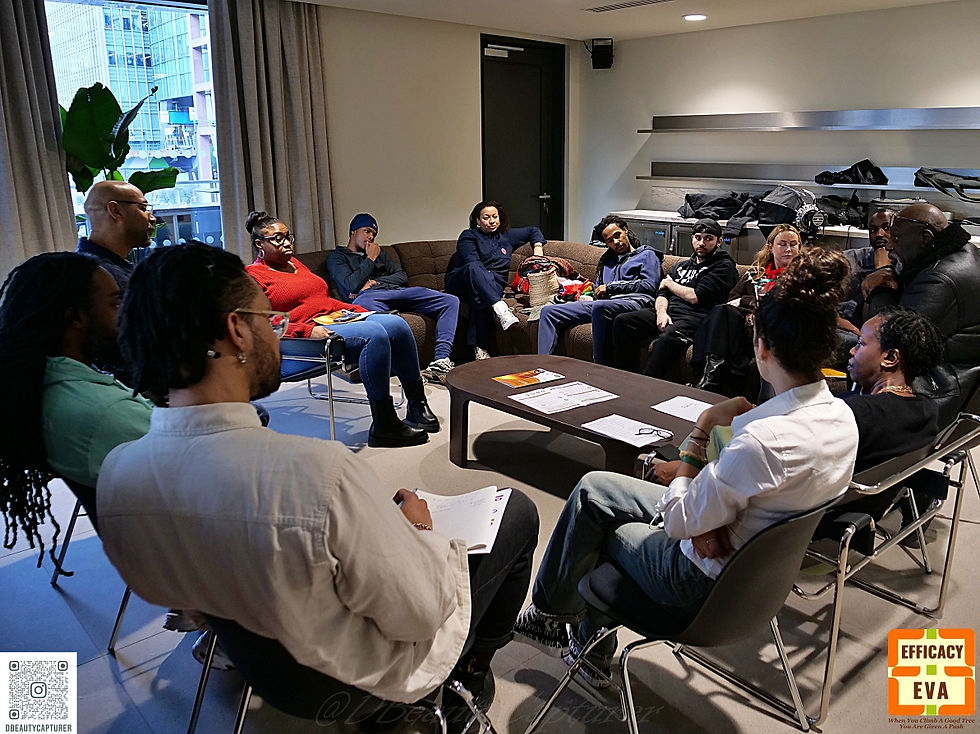
MAJONZI hosts regular memory sharing events where users can come together to share their stories in a group setting. These events can be both virtual and in-person, providing opportunities for connection. Here’s how to participate:
Check the Calendar: Visit the MAJONZI website to find upcoming events.
Join a Group: Sign up for a group that resonates with your experiences or interests.
Share and Listen: During the event, take turns sharing your stories and listening to others. This exchange can be incredibly healing.
Utilize Memory Prompts
For those who may struggle with where to start, MAJONZI offers memory prompts to inspire storytelling. These prompts can help individuals recall significant moments and articulate their experiences. Here are a few examples:
Describe a moment when you felt truly happy.
Share a lesson you learned from a difficult experience.
Recall a time when someone’s kindness made a difference in your life.
The Role of Community in Healing
The community aspect of MAJONZI is vital for nurturing healing through shared memories. When individuals come together to share their stories, they create a supportive environment that fosters growth and understanding. Here’s how community plays a role in healing:
Building Trust
In a community where individuals feel safe to share their stories, trust is built. This trust allows for deeper connections and more meaningful exchanges. When people feel heard and understood, they are more likely to open up about their experiences.
Encouraging Vulnerability
Sharing memories often requires vulnerability. In a supportive community, individuals can feel empowered to be vulnerable without fear of judgment. This vulnerability can lead to profound healing and personal growth.
Celebrating Diversity
Every story is unique, and the diversity of experiences within a community enriches the collective narrative. By sharing different perspectives, individuals can learn from one another and gain a broader understanding of the human experience.
Real-Life Examples of Healing Through Shared Memories
To illustrate the impact of shared memories, let’s explore a few real-life examples of individuals who have found healing through storytelling.
Example 1: A Journey of Grief
After losing a loved one, Sarah felt isolated in her grief. She joined a memory sharing group on MAJONZI, where she began to share her memories of her late grandmother. As she recounted stories of their time together, she found comfort in the shared experiences of others who had also lost loved ones. This connection helped her navigate her grief and find solace in the memories they all cherished.
Example 2: Overcoming Trauma
John, a veteran, struggled with PTSD after returning from deployment. He discovered MAJONZI and began participating in memory sharing events. By sharing his experiences with others who had faced similar challenges, he felt a sense of camaraderie and understanding. This community support played a crucial role in his healing journey, allowing him to confront his trauma in a safe space.
Example 3: Celebrating Milestones
Maria used MAJONZI to document her journey of recovery from addiction. By sharing her milestones and the memories associated with them, she not only celebrated her progress but also inspired others facing similar struggles. The encouragement and support from the community reinforced her commitment to her recovery.
Tips for Effective Storytelling
To make the most of your storytelling experience on MAJONZI, consider these tips:
Be Authentic: Share your true feelings and experiences. Authenticity resonates with others and fosters connection.
Use Descriptive Language: Paint a vivid picture with your words. Descriptive language helps others visualize your experiences.
Listen Actively: When others share their stories, practice active listening. This shows respect and encourages open dialogue.
Conclusion
Shared memories have the power to heal and connect individuals in profound ways. Through platforms like MAJONZI, people can come together to share their stories, fostering a sense of community and support. By engaging with others and embracing the power of storytelling, individuals can navigate their healing journeys with greater resilience and understanding.
As you reflect on your own experiences, consider how sharing your memories can not only benefit you but also inspire and support others. Join MAJONZI today and take the first step towards nurturing healing through shared memories.

Comments